Why Flight Attendants Want You to Keep Your Seatbelt Fastened (Even When the Flight Feels Smooth)
Unexpected turbulence can happen without warning, even on the smoothest flights. Discover why flight attendants ask passengers to keep their seatbelts fastened at all times and how this simple safety habit can help prevent serious injuries during air travel.

If you've ever flown on a commercial airplane, you've probably experienced this familiar moment.
The wheels touch down, everyone applauds—or at least breathes a sigh of relief—and before the aircraft has even slowed down, you hear the unmistakable click of seatbelts coming undone.
Within seconds, people are standing in the aisle, reaching into overhead bins, and trying to be the first person off the airplane.
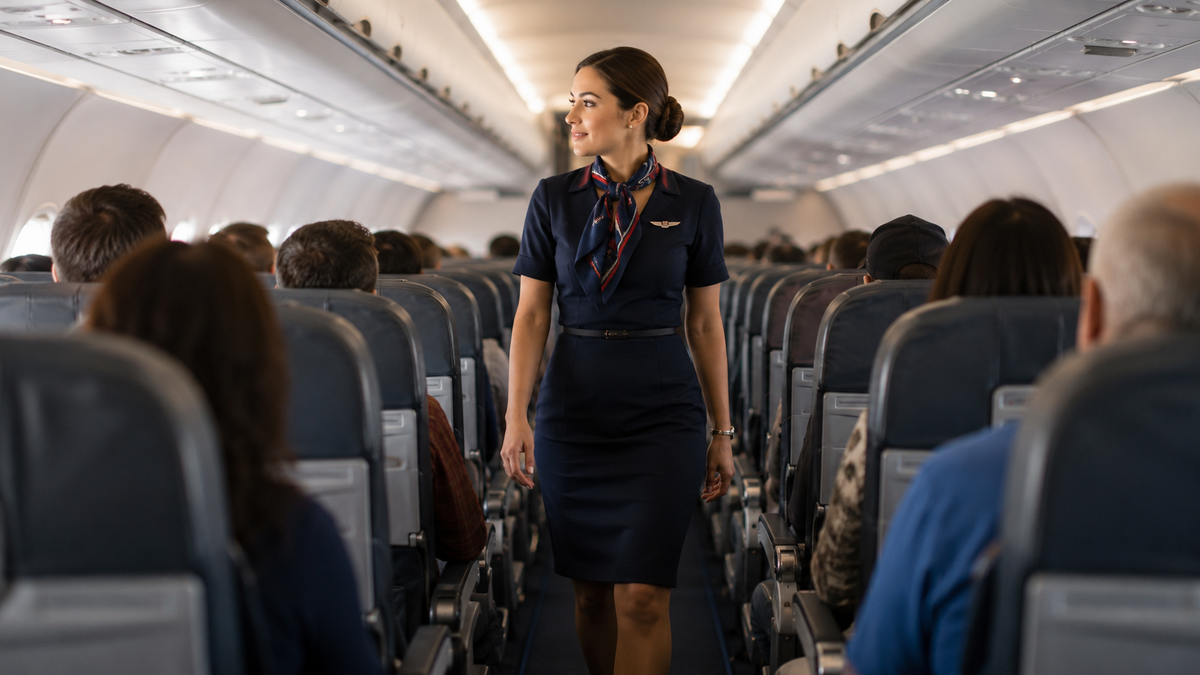
As a flight attendant, this is one of the most common things we see on nearly every flight.
It also happens to be one of the easiest ways passengers can get hurt.
Many travelers assume the flight is "over" once the wheels touch the runway. The reality is that the aircraft is still moving, and until it reaches the gate and the captain turns off the seatbelt sign, unexpected events can happen.
Here's why flight attendants keep reminding passengers to stay seated—and why it's much more than just another rule.
The Seatbelt Sign Isn't Just a Suggestion
One of the biggest misconceptions passengers have is that the illuminated seatbelt sign is simply a recommendation.
It isn't.
Federal aviation regulations require passengers to comply with crewmember instructions regarding seatbelt use, and the seatbelt sign is illuminated during taxi, takeoff, landing, and whenever the pilot determines conditions make it necessary.
When we ask you to remain seated, we're following both safety procedures and federal regulations—not making up rules to inconvenience anyone.
Most Injuries Don't Happen During a Crash
When people think about airline safety, they usually picture dramatic emergencies.
Fortunately, those events are incredibly rare.
Instead, one of the more common causes of passenger injuries is something much less dramatic:
Unexpected turbulence.
Clear-air turbulence can occur without visible clouds and may not always be detectable before the aircraft encounters it. That's why pilots sometimes leave the seatbelt sign on longer than passengers expect, and why the FAA encourages passengers to keep their seatbelts fastened whenever they're seated.
A smooth flight can become a bumpy one in seconds.
Landing Doesn't Mean the Flight Is Over
This surprises many first-time travelers.
Just because the airplane has landed doesn't mean it's safe to stand up.
After touchdown, the aircraft is still:
- Traveling at highway speeds.
- Braking.
- Turning onto taxiways.
- Sharing movement areas with other aircraft and airport vehicles.
- Following instructions from air traffic control.
Any sudden stop or unexpected maneuver can throw an unrestrained passenger off balance.
I've seen people lose their footing simply because the aircraft made a sharper turn than they expected.
Imagine holding a heavy carry-on above your head when that happens.
Why Flight Attendants Sometimes Sound Firm
Passengers occasionally wonder why flight attendants repeat:
"Please remain seated with your seatbelt securely fastened."
The answer is simple.
If someone gets injured after ignoring instructions, that's a situation we all wanted to avoid.
Our job isn't just serving drinks.
Our primary responsibility is keeping everyone safe.
Sometimes that means repeating instructions multiple times—even if they seem obvious.
The Overhead Bin Can Become a Hazard
Another reason we ask passengers to stay seated is the overhead bins.
Carry-on luggage shifts during flight.
Even a perfectly packed bag can move during takeoff, landing, or turbulence.
When someone opens an overhead compartment too early:
- A suitcase may fall.
- Backpacks can slide out unexpectedly.
- Loose items can strike another passenger.
I've watched passengers instinctively try to catch falling bags, only to risk injuring themselves in the process.
Waiting another minute or two dramatically reduces that risk.
Flight Attendants Follow the Same Rules
One thing passengers may not notice is that we're buckled in, too.
During takeoff and landing, every flight attendant is seated in a jumpseat with a securely fastened harness.
We're not sitting because we're taking a break.
We're following the same safety procedures we ask passengers to follow.
Even cabin crew are vulnerable to unexpected forces during critical phases of flight. That's why standardized procedures require us to be seated and restrained until it's safe to move about the cabin.
Turbulence Doesn't Always Give a Warning
Many people assume pilots always know exactly when turbulence is coming.
While pilots receive weather reports, forecasts, and turbulence information from other aircraft, not every bump can be predicted.
Clear-air turbulence is especially difficult because it often occurs without visible storm clouds.
That's one reason experienced travelers often leave their seatbelt loosely fastened throughout the flight—even when the seatbelt sign is off.
It's a simple habit that could prevent an injury.
A Little Patience Goes a Long Way
I understand why passengers are eager to stand.
Maybe you have a tight connection.
Maybe you've been sitting for four hours.
Maybe you're excited to start your vacation.
Believe me—we want you off the airplane, too.
But standing thirty seconds earlier almost never gets anyone off the aircraft faster.
The cabin doesn't begin moving until the door opens.
The few extra moments spent seated are a small trade-off for avoiding an unnecessary injury.
What Flight Attendants Wish Every Passenger Knew
If I could give every traveler just a few pieces of advice, they'd be these:
- Keep your seatbelt loosely fastened whenever you're in your seat.
- Wait until the seatbelt sign is off before standing.
- Open overhead bins carefully.
- Listen during the safety briefing—you might learn something you didn't know.
- Remember that flight attendants are making safety decisions, not personal ones.
Most flights are routine.
Our goal is to keep them that way.
Frequently Asked Questions
Can I get up if the seatbelt sign is on?
Unless there's an emergency, you should remain seated and follow the crew's instructions while the sign is illuminated. Federal regulations require passengers to comply with crewmember instructions regarding seatbelt use.
Why do pilots leave the seatbelt sign on during a smooth flight?
Pilots may anticipate turbulence ahead, follow operational procedures, or simply prefer an extra margin of safety.
Is turbulence actually dangerous?
Most turbulence is minor, but unexpected severe turbulence can cause injuries—especially to passengers who aren't wearing seatbelts.
Why do flight attendants sit down during takeoff and landing?
These are considered critical phases of flight. Flight attendants remain secured in their jumpseats so they're protected if an emergency or sudden maneuver occurs.
Can I open the overhead bin while the plane is still taxiing?
No. It's safest to wait until the aircraft reaches the gate and the seatbelt sign has been turned off.
Final Thoughts
One of the best parts of being a flight attendant is helping people travel safely to the places that matter most.
Most passengers never experience an emergency—and that's exactly how we want it.
The next time you hear us remind everyone to remain seated with seatbelts fastened, know that it isn't about enforcing rules for the sake of rules.
It's about preventing the kind of injury that can happen in just a split second.
Sometimes, the safest decision you can make on an airplane is also the simplest one:
Stay seated.
Keep your seatbelt fastened.
And enjoy the journey.